EUNIC Romania is pleased to announce an open call for participation in the Accessibility Academy, a core event of Access Constellation: Co-creating Inclusive Cultural Futures – a collaborative arts and disability initiative funded through EUNIC Cluster Fund 2026 and bringing together nine cultural institutes: Italian Cultural Institute, British Council Romania, Polish Institute, Goethe-Institut, Czech Centre, Cervantes Institute, Romanian Cultural Institute, Austrian Cultural Forum, and French Institute.
The British Council’s scoping study, Arts and Disability in Romania: From Fragmented Practice to a National Framework, identifies a local cultural sector characterised by creativity and resilience, while also highlighting the structural barriers that continue to limit the participation and professional development of disabled people. These include limited access to professional training, adapted working environments and cultural production systems, as well as the absence of accredited training in accessible and inclusive practice.
Consequently, disabled artists and cultural professionals remain significantly underrepresented and are often expected to demonstrate exceptional ability in order to progress within systems that were not designed to enable their equal participation. The findings point to the need for sustained investment in accessibility, professional capacity building and long-term approaches to inclusive cultural practice.
The Accessibility Academy is an invitation to do things differently – to bring together people from across the cultural sector and think collectively about how a genuinely inclusive cultural sector could look like and what it would take to achieve it.
The Accessibility Academy aims to bring together cultural workers, creative practitioners, access advisors, researchers, activists and disabled community members to exchange ideas, learn from each other, and build real connections rather than follow a fixed rulebook. It will explore questions such as:
- What does accessibility look like across different cultural contexts?
- How can vocational pathways for disabled artists be strengthened?
- What can Romania learn from European models – and what can it contribute in return?
- How do we move from policy compliance to lived, creative practice?
- How can we create cultural spaces where everyone can experience a sense of belonging, curiosity, and joy?
Programme Overview
Cervantes Institute | Cinema “Elvire Popesco”, Bucharest
September 3–4 | 9:00 – 18:30
The Accessibility Academy is a two-day event open to cultural workers, creative practitioners, access advisors, researchers, activists, disabled artists, disability community representatives, and cultural institutes’ staff.
European speakers and facilitators invited by EUNIC Romania cluster, along with their Romanian peers,will share perspectives and experiences from their own national and regional contexts. As with anything related to access, the sessions won’t be one-size-fits-all; there will be a mix of talks, workshops, screenings, and open exchange conversations. They will address a range of subjects, including:
- Organising culturally inclusive events;
- Deaf theatre practices;
- Accessible built environments;
- Navigating the cultural sector as a disabled artist;
- Making theatre accessible with and for neurodivergent and learning disabled people;
Participants are invited to engage together as equal partners, comparing approaches, exchanging experiences, and building meaningful professional connections. The goal is not just to attend another training, but to compare approaches, share what’s working (and what isn’t!), and leave the event with new connections and ideas.
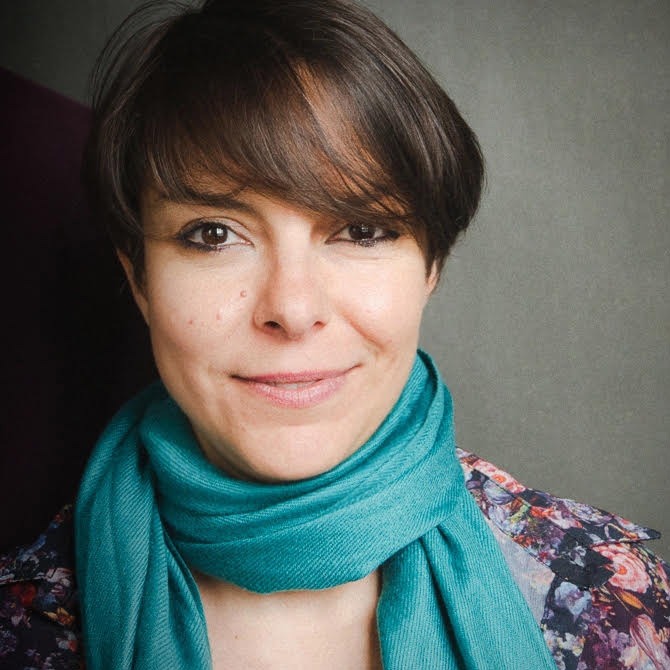
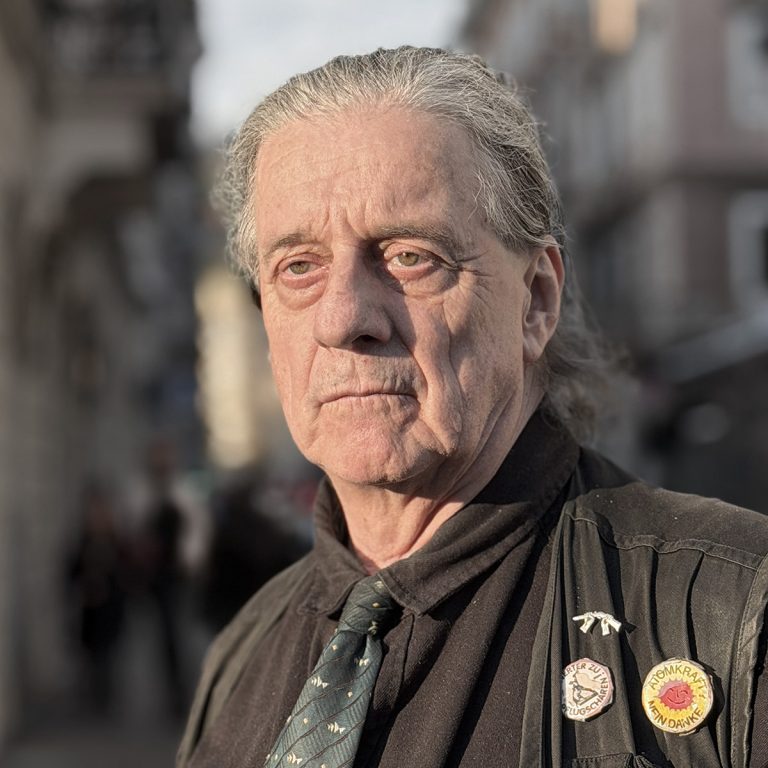
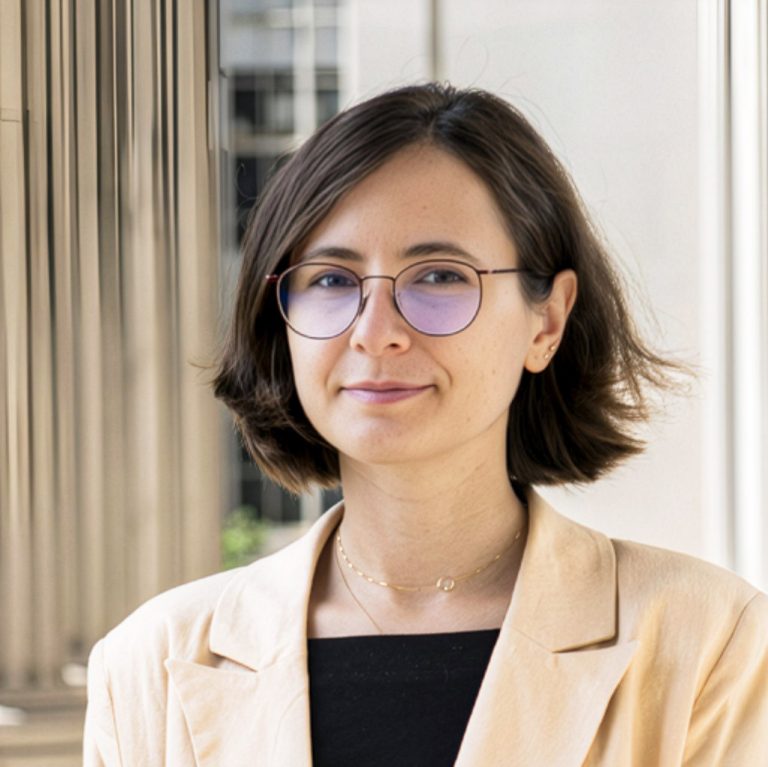
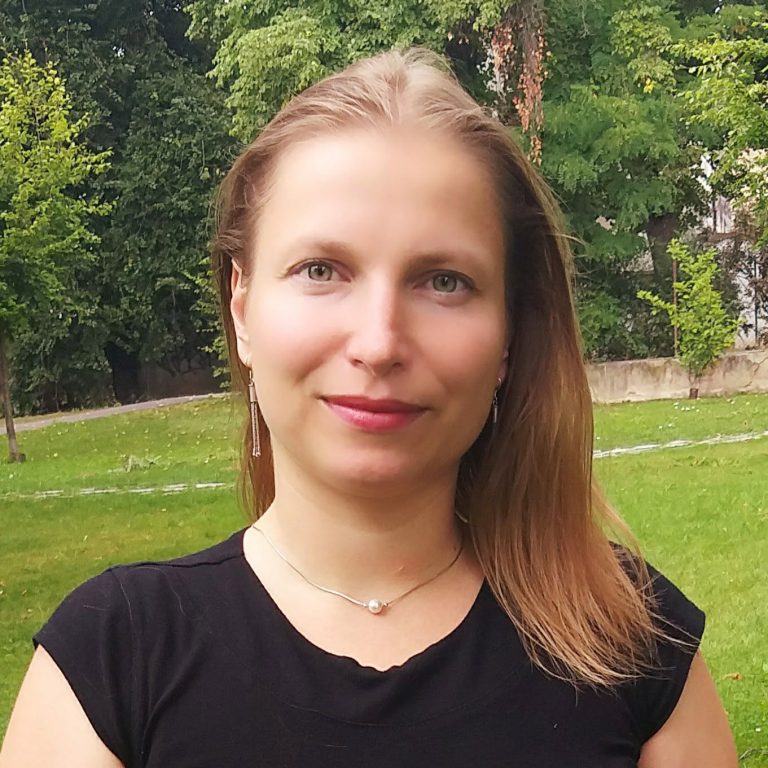
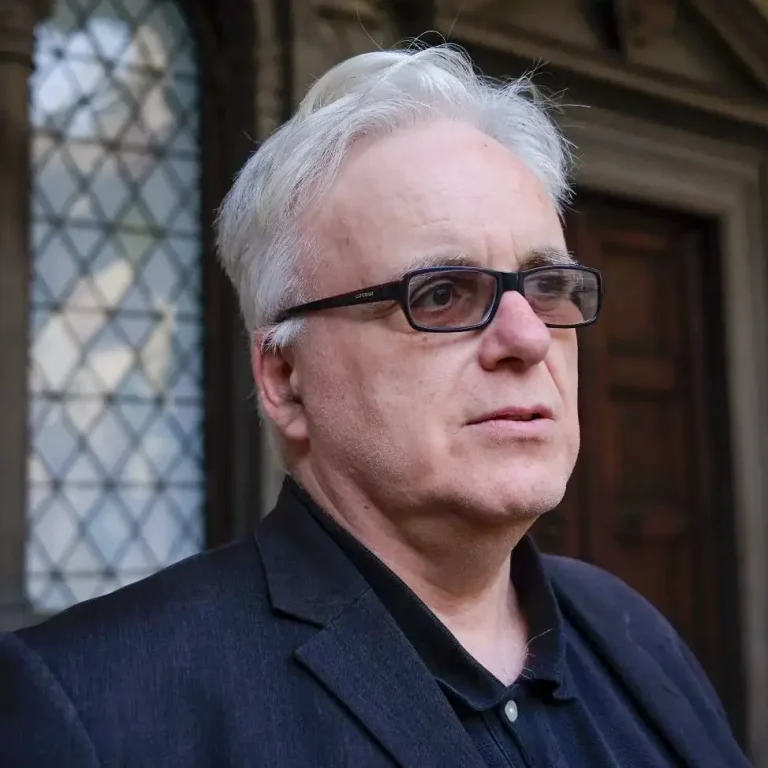
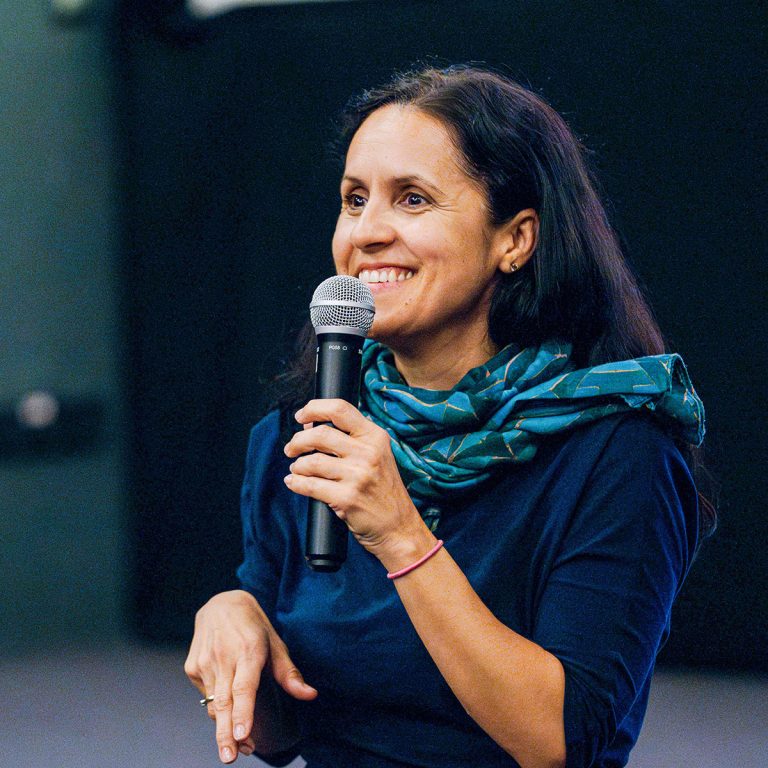
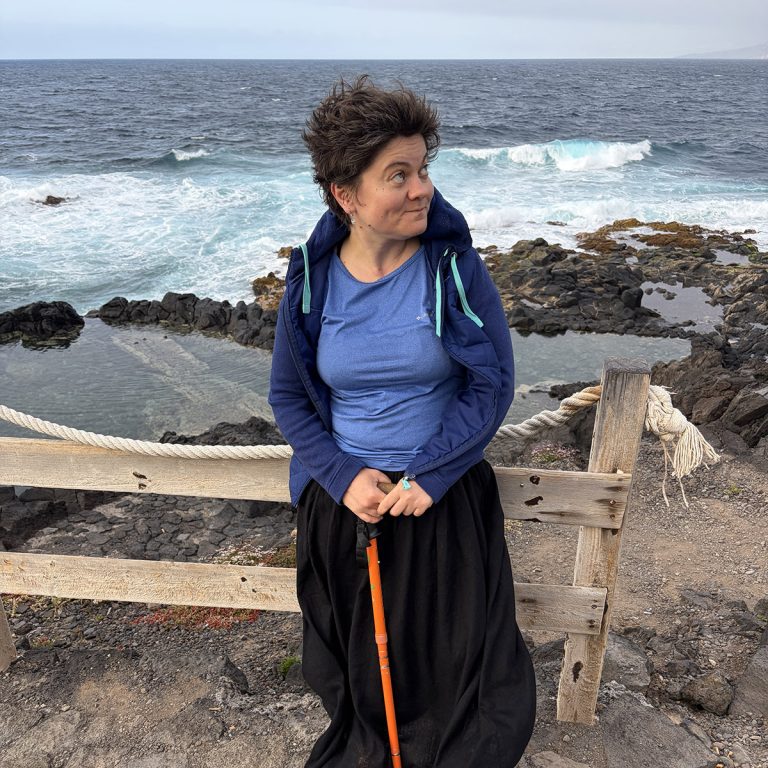
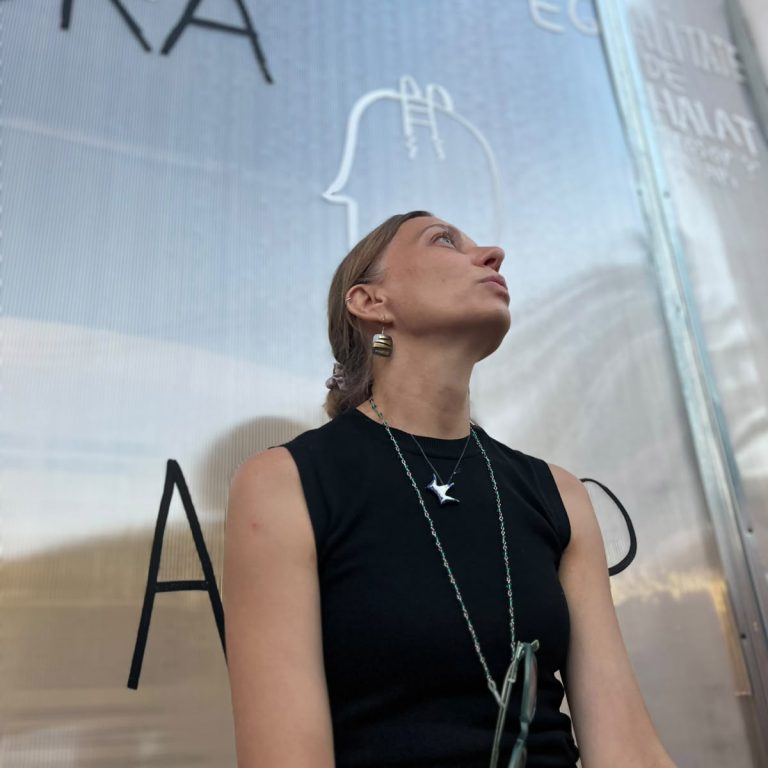
Confirmed speakers:

Who Is the Accessibility Academy for?
The short answer: a lot of people. We are taking a broad approach on purpose, as we want to open this opportunity to as many diverse participants as possible.
We welcome applications from:
- Disabled people working in, or interested in exploring, the cultural and creative sectors.
- Artists, cultural workers and other professionals working independently or within cultural institutes and public, private or independent cultural organisations, who either already have experience in accessibility and inclusion or are interested in embedding these principles into their future practice. This may include artists, cultural managers, producers, curators, programmers, communication professionals, educators, mediators, journalists and critics.
- Professionals and practitioners working in disability rights & advocacy.
You do not need formal qualifications in the arts or cultural sector to apply. Bring yourself, your experience, and your questions.
To explore accessibility meaningfully, we need a room that reflects the full range of people that culture is made for – which is why we are ring-fencing 30% of the available places for disabled people and/or their carers, regardless of their disability or professional background.
How to Register
Please register your interest by answering this form by Sunday, August 30th, 23:59.
If you require support in answering the registration form or need any of this information in another format, please do not hesitate to get in touch.
For accessibility related questions, please contact: Ruxandra Mateescu, Access and Mediation Lead: contact@supereroiprintrenoi.ro
For any further questions related to the event, please feel free to contact us at roprojects@britishcouncil.org
We may review whether the event aligns with your experience and expectations and, in some cases, contact you to discuss whether the programme is the right fit for you. We appreciate your understanding as we work to create a well-matched group to ensure meaningful engagement for all participants.
What we offer
- A two-day intensive programme hosted by Instituto Cervantes, followed by the Academy’s closing event – a screening of Playback at Cinema Elvire Popesco
- All materials required for the sessions
- Coffee breaks and lunch (one meal per day)
- Accessibility measures and support, based on the needs communicated by participants
Participation in the programme and the closing event is free of charge. Participants will be invited to share their access requirements in advance so that appropriate arrangements can be made.
Accessibility during the event
Here is a list of accessibility provisions in place:
- Wheelchair-accessible building
- Accessible restroom
- Quiet room
- Sensory fidget toys
- Info shared in Plain / Easy Read format
- LSR interpretation
The Accessibility Academy is informed by the Social Model of Disability, and while we are committed to making the event as accessible and open to all, please note that our capacity may limit the range of arrangements we can make in advance.
The event follows a relaxed, access-aware approach with multi-modal facilitation and attention to sensorial sensitivities. A quiet space will be available.
Further details on participation format, accessibility and a detailed schedule of the day will be shared a week in advance with all confirmed participants.
The spoken language of the event is English with Romanian translation. Some of the sessions will also be interpreted in Romanian Sign Language.
We view accessibility as a collaborative, transparent process and will work closely with you to find adaptable solutions and reduce barriers wherever possible.
For more details please access Access Constellation